
 Will van Wingerden @Unsplash
Does Student Loan Debt Affect Your Credit Score? Yes, Here's How

Jarrod Suda
Guide
Byron Mühlberg
Reviewer

Yes, student loans absolutely affect your credit score. They are factored into all five components that credit bureaus use to calculate your credit score.
While the CARES Act temporarily paused this impact for federal student loans during the pandemic, those protections have now ended (in 2023). As of today, consumer credit scores fully take into account your student loan payment behavior.

Need to build your credit history?
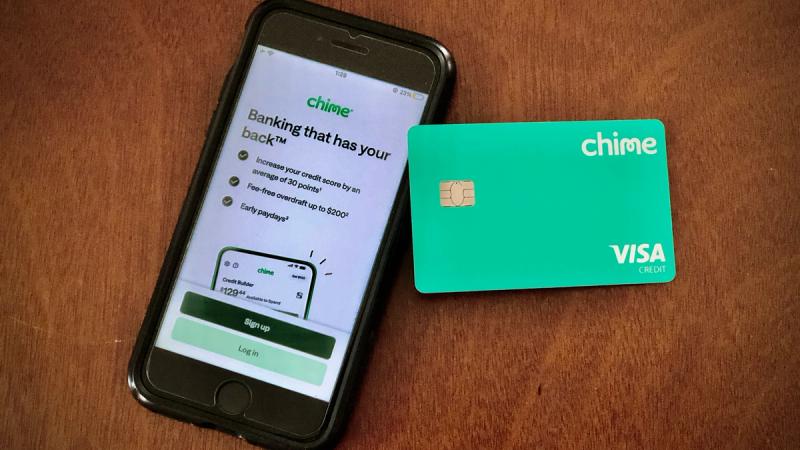
Chime offers an excellent checking account with no minimum balance requirements, no monthly fees, and no credit checks. Chime's optional credit builder Visa card does not require a credit check, has no annual fee, and charges zero interest.²
Key Facts About Student Loan Debt in the USA
| 📊 U.S. student loan debt | Totals $1.77 trillion in 2025 |
|---|---|
| 🎓 Average undergraduate borrower | Owes $29,300 in 2025 |
| 💰 Federal loan proportion of all U.S. student debt | 92.4% |
| 🇺🇸 Americans with federal student loan debt | 42.7 million |
| 😞 Americans who don't think education was worth the debt | 30%¹ |
| 👵 Federal student loan borrowers age 35+ | 52% |
¹ according to Nerdwallet poll
Do Student Loans Affect Your Credit Score?
- 01. How your credit score is calculated
- 02. Effects on payment history
- 03. Effects on amounts owed
- 04. Effects on length of credit history
- 05. Effects on credit mix
- 06. Effects on recent applications
- 07. By how many points can student loans affect credit scores?
- 08. What happens if I default on my student loan?
- 09. Why paying off student loan debt should be a priority
How Your Credit Score Is Calculated
Credit bureaus use these five factors to determine your credit score:
- Payment History (35%): Whether you pay your bills on time
- Amounts Owed (30%): How much debt you carry relative to your credit limits
- Length of Credit History (15%): How long you've been using credit
- Credit Mix (10%): The variety of credit accounts you maintain
- Recent Applications (10%): How frequently you apply for new credit
How Student Loans Can Affect: Payment History (35%)
Credit bureaus do take into account and report on payment activity. Each on-time payment strengthens your credit profile, while late payments can damage it.
Federal student loan servicers typically report late payments after 90 days, while private lenders may report them after just 30 days. These late payments remain on your credit report for seven years.
How Student Loans Can Affect: Amounts Owed (30%)
Your outstanding student loan balance does contribute to your total debt burden.
As you pay down your loans, this demonstrates to lenders that you can manage debt responsibly by being disciplined in your paymennts. On the other hand, if you maintain high student loan balances relative to your original loan amount, this may negatively impact your score (though not as severely as maxed-out credit cards would).
How Student Loans Can Affect: Length of Credit History (15%)
For many borrowers, student loans represent their first major credit accounts. These loans can help establish a lengthy credit history, which can benefit your score over time.
The longer you maintain these accounts in good standing, the more they contribute positively to this factor. However, it is recommended to pay off your student loans as soon as possible by paying more than just the monthly minimum.
Being debt free is ultimately better for your financial well-being than maintaining a long history of holding debt.
How Student Loans Can Affect: Credit Mix (10%)
Student loans are installment loans, which differ from revolving credit like credit cards. Having both types improves your "credit mix," potentially boosting your score.
However, this is a smaller factor, so it's not worth taking on student debt solely to diversify your credit profile.
How Student Loans Can Affect: Recent Applications (10%)
Each student loan application requiring a hard credit check can temporarily lower your score by a few points.
Federal undergraduate loans typically don't require credit checks, but PLUS loans and private student loans do. When shopping for private loans, prioritize lenders offering soft credit checks for pre-qualification.
How Do Student Loans Affect My Credit Score?
I read through a recent VantageScore study that analyzed the credit scores of people with student loans in 2025. The study took into account the changes in the law, which are requiring federal student loan servicers to once again report delinquencies to the three major credit bureaus.
Here are the main takeaways I got:
- You could see increases of up to 8 points if you continue making on-time payments.
- Of the 22 million borrowers in America with student loan payments, about 43% were behind on payments as of February 2025.
- The temporary postponement of student loan payments (forbearance) will end for about 8 million Americans.
- On average, the national credit score may decline from 702 to 700 by summer 2025.
What Happens If I Default On My Student Loan?
Default occurs when you fail to make payments for a certain period of time: 270 days for federal loans and usually 90 days for private loans. The consequences are pretty severe, since very difficult to declare bankruptcy on student debt (more on this later).
The consequences may vary depending on your debt servicer. Here they are in a nutshell, as well as how they can get triggered:
- Credit score damage of 90+: Student loan defaults and the late payments leading up to them remain on your credit report for seven years.
- Potential wage "garnishment": For federal loans, the government can take up to 15% of your disposable income without a court order, while private lenders can take up to 25% after obtaining a court judgment. This typically continues until the loan is repaid or your status returns to good standing.
- Tax refund seizure: The Treasury Offset Program allows the government to seize any federal tax refunds if you've defaulted on federal student loans. This happens automatically after default and continues until the debt is repaid or returns to good standing. You'll receive a warning letter before the seizure occurs. This won't happen if you have a private loan.
- Difficulty qualifying for future loans or credit: Beyond the credit score damage, defaulting makes you ineligible for additional federal student aid. It'll also be harder to qualify for mortgages, auto loans, credit cards, and other financing.
- Increased interest and collection fees: Upon default, your entire loan balance becomes immediately due, and collection agencies can add fees of up to 25% of your loan balance. For example, a $30,000 defaulted loan could incur $7,500 in collection fees (plus thousands more in additional interest will accrue).
Why Paying Off Student Loans Should Be a Priority
Ironically, when you finally pay off your student loans, your credit score might temporarily decrease. This happens because your credit mix becomes less diverse and your payment history shows fewer active accounts. However, this short-term dip is far outweighed by the financial freedom of eliminating debt.
Student loans are the most dangerous forms of debt, in my opinion. Unlike almost all other debt types, student debt is exempt from discharge. In other words, you'd still have to pay even if you declare bankruptcy. Only under very rare circumstances where you could prove "undue hardship" to the court, you may be able to fight to discharge your student debt.
In almost all cases, student loans will follow you for the rest of your life until you pay them off. As I noted earlier, unpaid federal student loans can even result in you losing Social Security benefits in retirement.
Remember: credit bureaus exist primarily to help lenders evaluate how much debt you can responsibly manage. In other words, credit card companies and lenders incentivize you take on debt because they profit off of you when you do.
Your ultimate financial goal should be eliminating debt entirely, growing your income, and growing your savings. For those with student loans, eliminating student debt should be of highest financial priority.
Chime® Secured Visa® Credit Card
If you want to build your credit history, consider the Chime® Secured Visa® Credit Card. It is one of the best credit builders on the market thanks to its no monthly or annual fees (and no foreign transaction fees).
In the app, turn on Safer Credit Building to automatically pay your balance in full each month. You can also track your spending, freeze your card, and access your Experian FICO® Score in-app.
To apply for Credit Builder, you need to first open a Chime Checking Account and receive a single qualifying direct deposit of $200 or more.

Current Build Card
Another card that we recommend for building credit history is the Current Visa® Secured Credit Card. By enabling AutoPay or making timely balance payments, Current reports your activity to TransUnion. Current also provides checking accounts, savings accounts, spending analysis tools, and more.

Brigit Credit Builder
Brigit is a secure loan option, not a secured credit card. The app also gives you spending insights.
The way Brigit Credit Builder works is that it starts by opening a 24-month account. You can contribute as little as $1 per month, which is reported to all three major credit bureaus. After 24 months, once the loan is paid off, you will have nurtured a strong credit profile and have regained access to all your saved contributions.
Brigit Premium plan comes with a monthly cost of $14.99.
Disclaimers
¹ Out-of-network ATM withdrawal and over the counter advance fees may apply except at FCTI® ATMs in a 7-Eleven® or Speedway, or any Allpoint ® or Visa® Plus Alliance ATM participating in the Allpoint network.
² Chime is a financial technology company, not a bank. Banking services for the Chime Checking Account are provided by The Bancorp Bank, N.A. or Stride Bank, N.A., Members FDIC. The Chime Visa® Debit Card is issued by The Bancorp Bank, N.A. or Stride Bank, N.A. pursuant to a license from Visa U.S.A. Inc. and may be used everywhere Visa debit cards are accepted. The secured Chime Visa® Credit Card is issued by The Bancorp Bank, N.A. or Stride Bank, N.A. pursuant to a license from Visa U.S.A. Inc. and may be used everywhere Visa credit cards are accepted. Please see the back of your Card for its issuing bank.
³ The Annual Percentage Yield ("APY") for the Chime Savings Account is variable and may change at any time. The disclosed APY is effective as of 01/29/2026. No minimum balance required. Must have $0.01 in savings to earn interest. The Chime Plus APY is available only while you maintain eligibility requirements for Chime Plus, otherwise the APY for non-Chime Plus members will apply. See Chime Plus Terms and Conditions for more details.
⁴ FICO: Based on a representative study conducted by Experian® in Sept 2025, the top 10% of members who made their first purchase with Credit Builder, an earlier version of Chime Card, between April and August 2024, observed a FICO® Score 8 increase of 71 points after approximately 8 months. Average increase of 28 points across all participants in the study. Credit score improvement not guaranteed. Paying on time may increase your score, while late payment may decrease your score. Other credit activity can impact your score. Credit score is one of many factors creditors may consider in evaluating credit applications.
⁵ SpotMe® on Credit is an optional, no interest / no fee overdraft line of credit tied to the Secured Deposit Account available to qualifying members with an active Chime Card Account. To qualify for the SpotMe on Chime Card service, you must receive $200 or more in qualifying direct deposits to your Chime® Checking Account each month and have activated your physical secured Chime Visa® Credit Card or Chime Visa® Debit Card.
Qualifying members will be allowed to overdraw their Secured Deposit Account up to $20, but may later be eligible for a higher limit of up to $200 or more based on Chime account history, direct deposit frequency and amount, spending activity and other risk-based factors. The SpotMe on Chime Card Limit will be displayed within the Chime mobile app and is subject to change at any time, at Chime’s or its banking partners’ discretion. Although Chime does not charge any overdraft fees for SpotMe on Chime Card, there may be out-of-network or third-party fees associated with ATM transactions and fees associated with OTC cash withdrawals. SpotMe on Chime Card won’t cover non-card transactions. SpotMe on Chime Card Terms and Conditions.
⁶ Early access to direct deposit funds depends on the timing of the submission of the payment file from the payer. We generally make these funds available on the day the payment file is received, which may be up to 2 days earlier than the scheduled payment date.
⁷ Automatic savings: You can automatically transfer part of your direct deposits of $1 or more from your Checking Account into your selected Chime account(s).
⁸ Out-of-network ATM withdrawal and over the counter advance fees may apply except at FCTI® ATMs in a 7-Eleven® or Speedway, or any Allpoint® or Visa® Plus Alliance ATM participating in the Allpoint network.
⁹ MyPay® line of credit provided by The Bancorp Bank, N.A. or Stride Bank,
N.A. MyPay services provided by Chime Capital, LLC (NMLS 2316451). To be eligible for MyPay, you must receive qualifying direct deposits to your Chime Checking Account as set forth in the MyPay Agreement. A qualifying direct deposit is a deposit from an employer, payroll provider, gig economy payer, government benefits payer, or other permitted source of income by Automated Clearing House (“ACH”) or Original Credit Transaction (“OCT”).
Your MyPay Credit Limit and Maximum Available Advance may change at any time. MyPay is a line of credit and available limits are based on estimated income and risk-based criteria. Eligible members may be offered a $20 - $500 Credit Limit per pay period. Your Credit Limit and Maximum Available Advance will be displayed to you within the Chime app. MyPay is currently only available to eligible Chime members in certain states. Other restrictions may apply. See Bancorp MyPay Agreement or Stride MyPay Agreement for details.
¹⁰ Pay Anyone transactions will be monitored and may be held, delayed or blocked if the transfer could result in fraud or another form of financial harm. Sometimes instant transfers can be delayed. Non-Chime members must use a valid debit card to claim funds.
Our Guides on Credit and Credit Building




Why You Can Trust Us
You’re probably all too familiar with the often outrageous cost of sending money abroad. After facing this frustration themselves back in 2013, Monito co-founders François, Laurent, and Pascal launched a real-time comparison engine to compare the best money transfer services worldwide.
Today, Monito’s award-winning comparisons, reviews, and guides (no longer just about money transfers but also digital accounts, travel cards, eSIMs, and travel insurance) are trusted by millions each year. Our recommendations are backed by our comparison data and dozens of expert tests, allowing you to confidently make the savviest decisions.

15+ million people across the globe trust Monito.

Monito's experts spend hours researching and testing services

Commissions we may receive never impact our independence.